Product design case study

Workforce Display CMS.

Patrick Teall
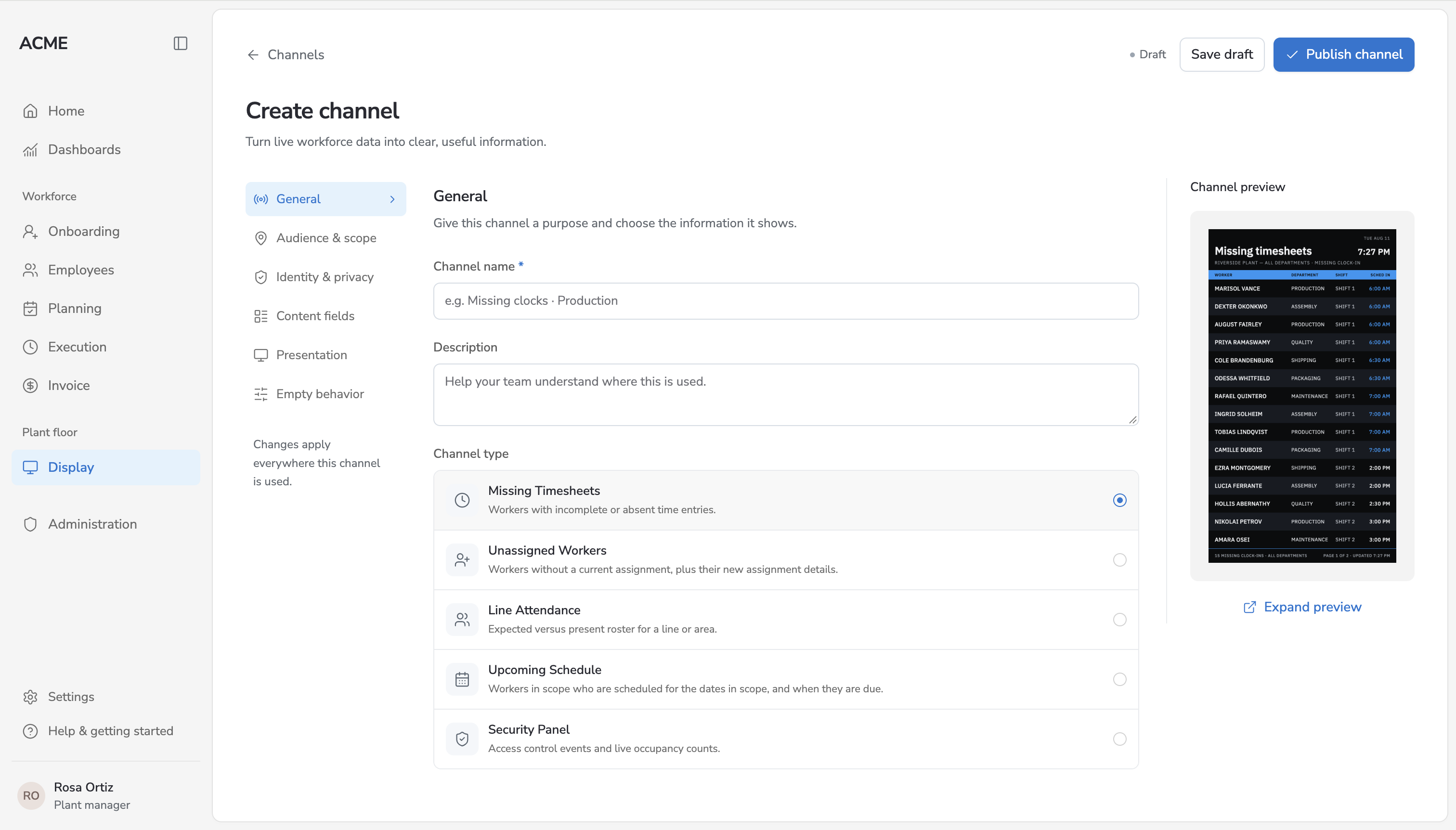
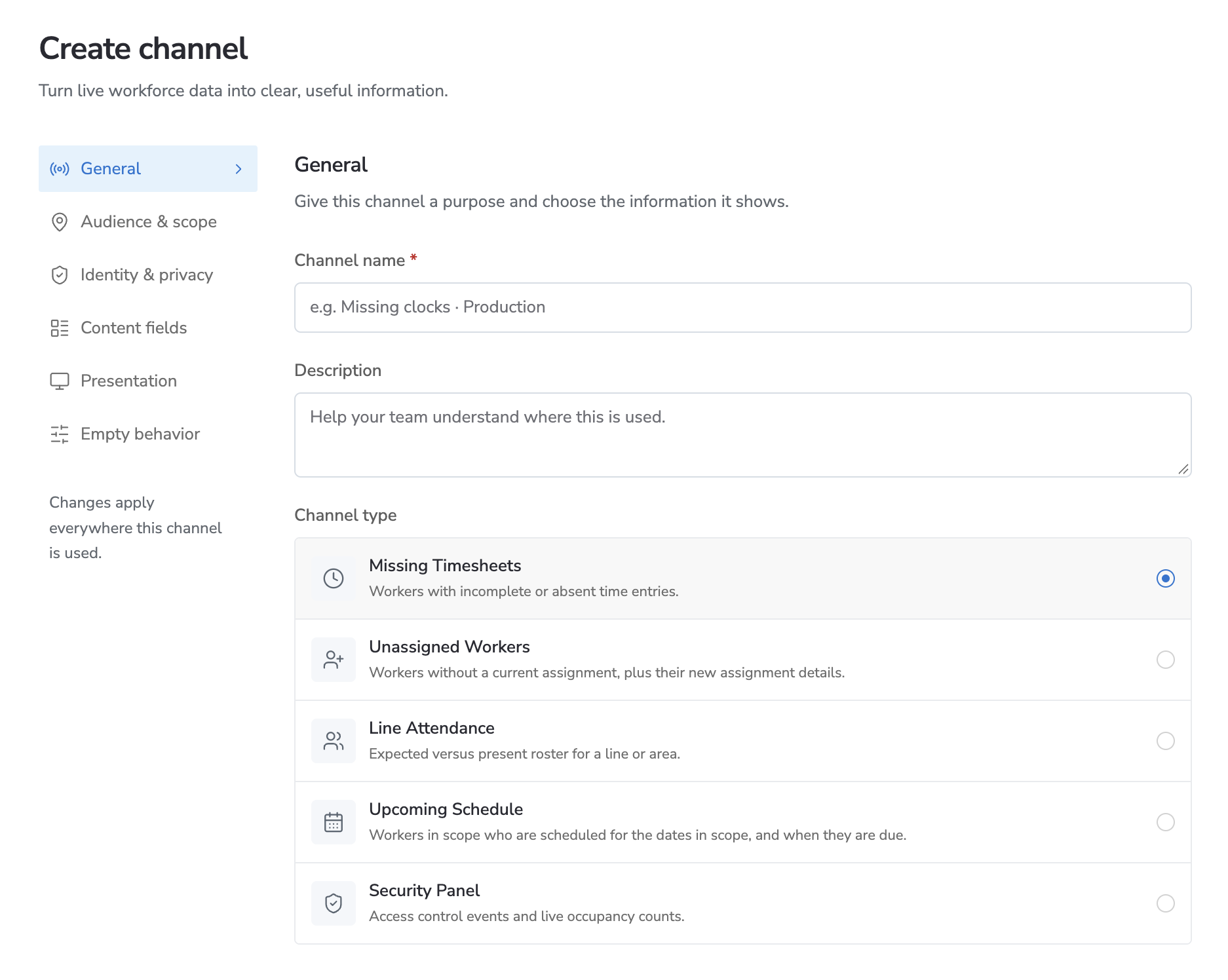
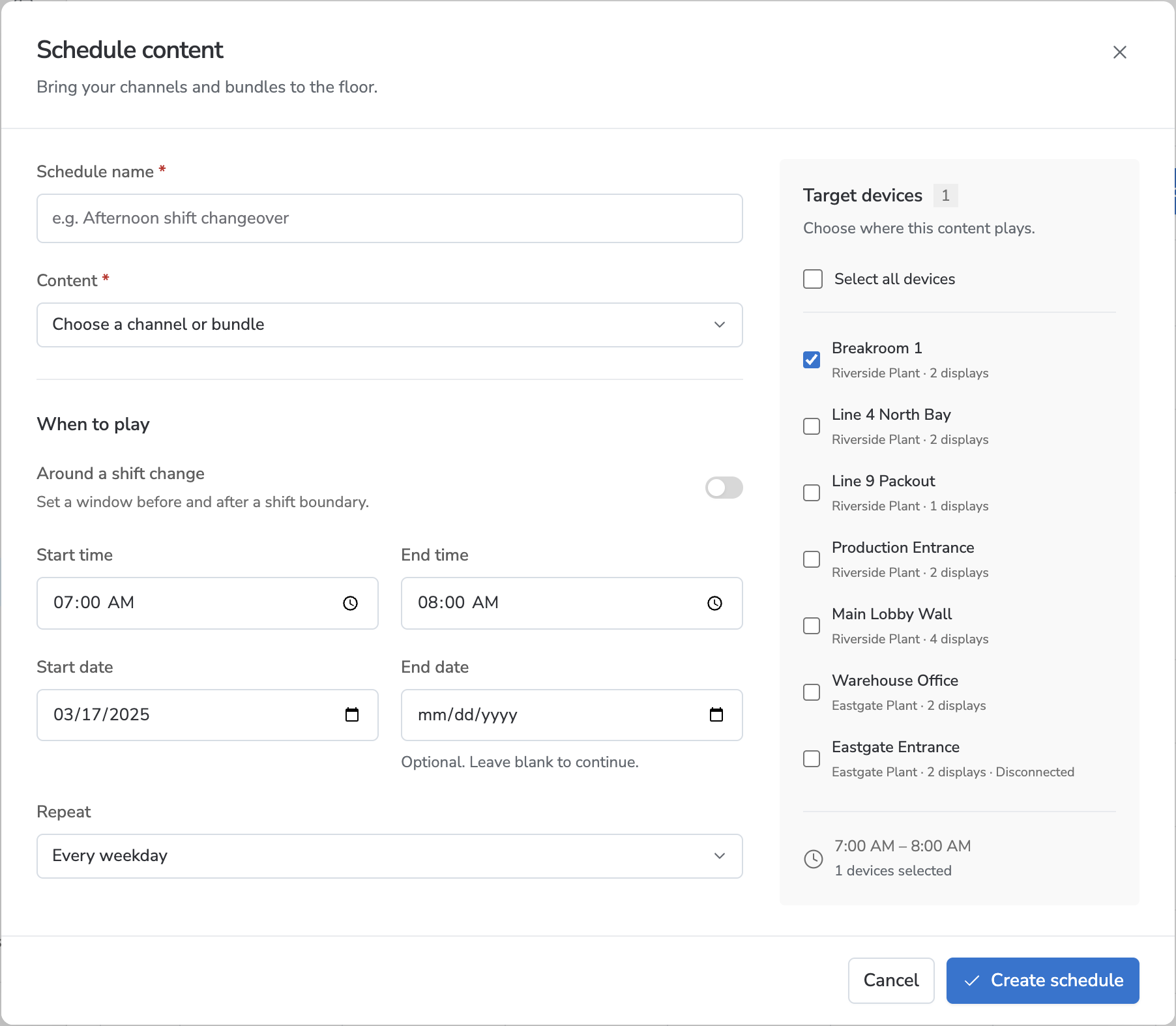
Display CMS: creating a channel, with a live preview of the missing-timesheets board

I owned product and UX through the MVP launch.

My role

Product owner, UX designer and user researcher.

Product decisions

Pilot scope, CMS model and priorities

Research & design

Site research, UX, testing and launch

Collaborators

CEO, CTO, engineering, site partners

How the project unfolded.

Contents
01

Context

The core platform

Slide 04
02

Problem

Worksite, gap and idea

Slides 05–08
03

Pilot

Test, feedback and outcome

Slides 09–11
04

System

Scaling the displays

Slides 12–19
05

Results

Outcomes and reflection

Slides 20–22

Labor management workflow

Context
01Plan labor

Staffing needs and assignments

02Run shifts

Work and changes on site

03 · critical recordVerify time

Who worked, and when

04Invoice

Bill for verified hours

The plan was in the platform. Live changes did not reliably reach workers on site.

Without visibility of operations status, decisions and invoicing become significantly delayed.

The plant floor is hard to reach

Problem
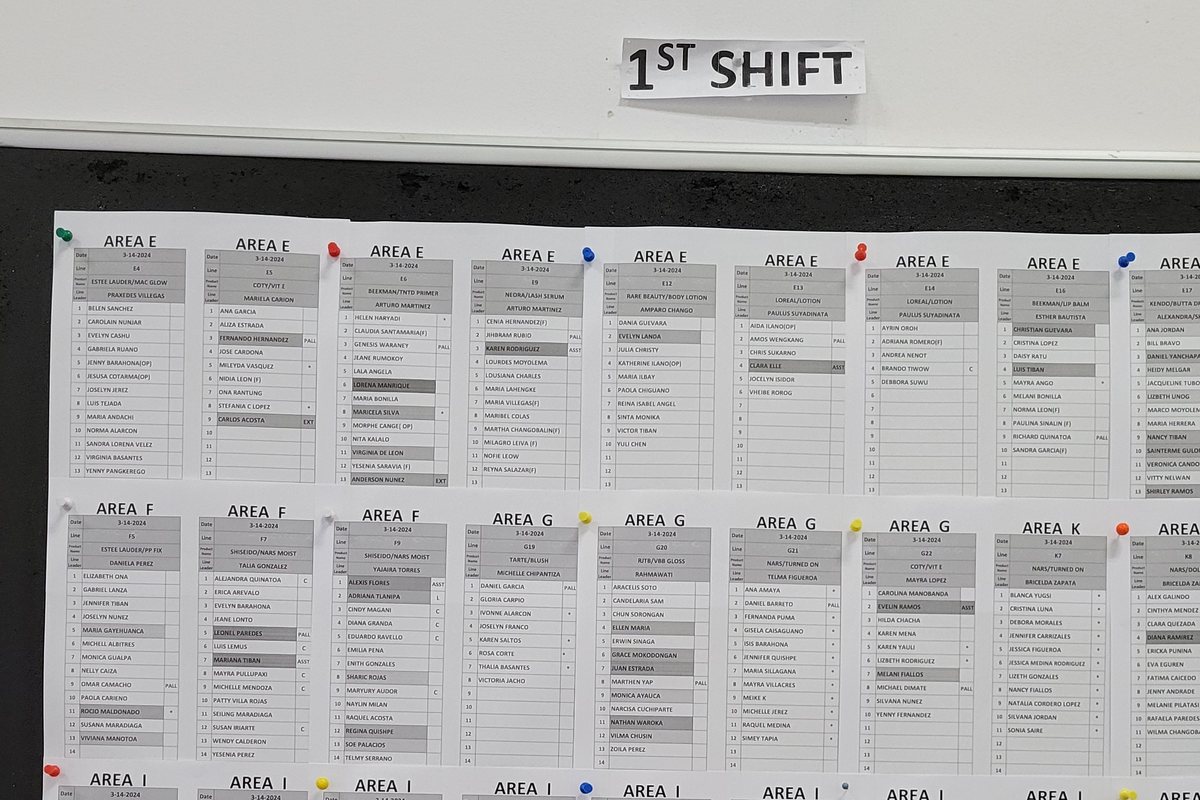
Paper first-shift assignments pinned across areas on a plant board 1 3
On site · first-shift assignments, in print
01

Spread across the site

Workers move between lines and shared spaces.

02

No phones on the floor

Direct alerts could not reach them during shifts.

03

Plans keep changing

Staffing shifts with production needs.

Pilot site · daily count

The best time to fix missing time passed during the shift.

~17

workers per shift with a missing clock-in at the pilot site

Fixable on siteInvisible
During the shiftClock-in missing

Worker can confirm it.

End of shiftWorker leaves

No timely signal to act.

Invoice reviewGap discovered

Details fade.

After the shiftRecord rebuilt

Managers call supervisors.

Inspiration

Airports put changing information in people's path.

The worksite proposition

Put live workforce updates where each audience passes.
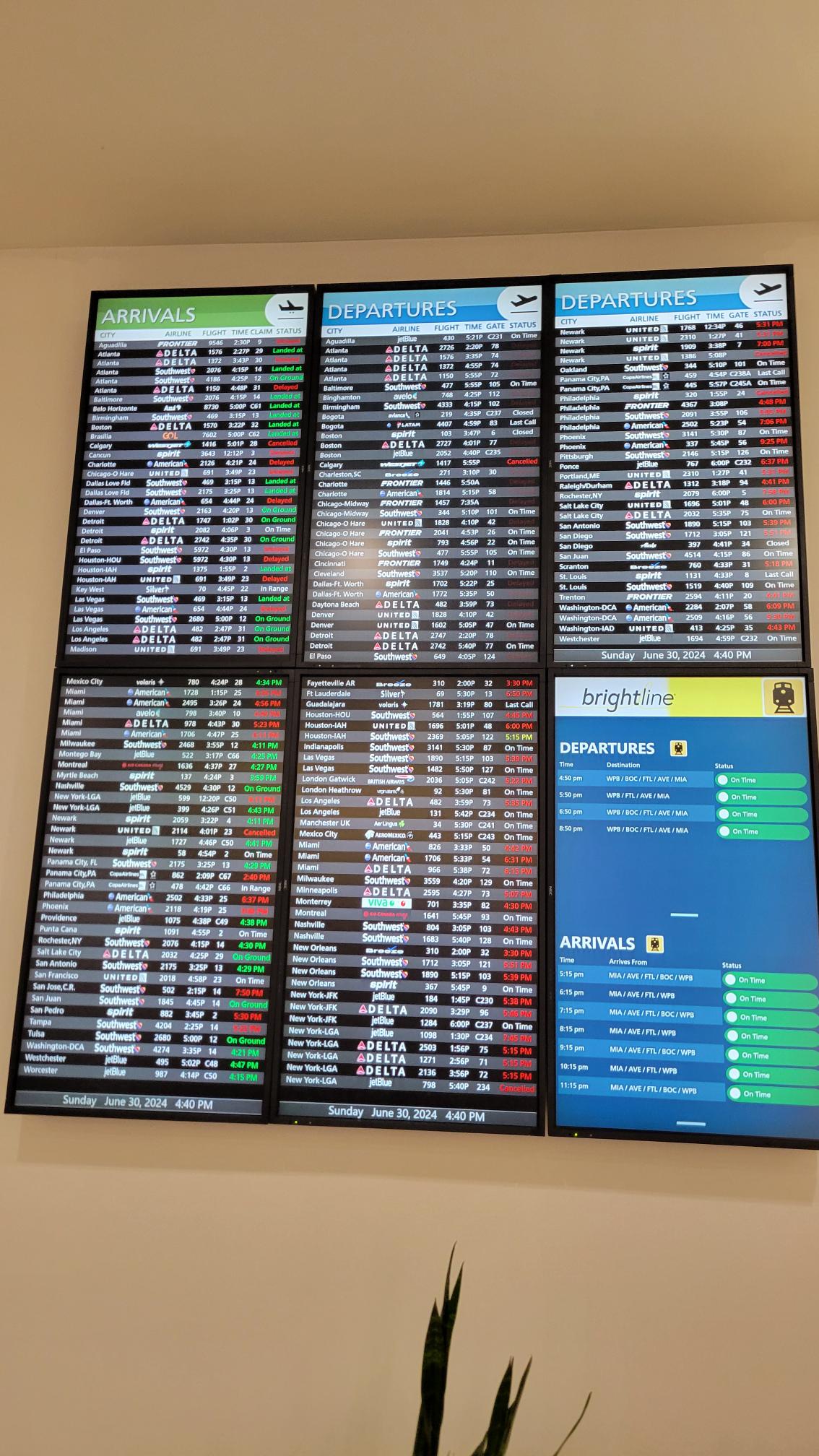
Airport arrivals and departures boards mounted along a shared passage
Airport · live information in a shared space

Decision 1 · pilot scope

I tested the idea with missing timesheets first.

Workers could raise an incomplete record while the details were fresh.

Test

Would workers recognize missing time and raise it?

Where

Hallways and break rooms

Scope

One site · one channel · live data

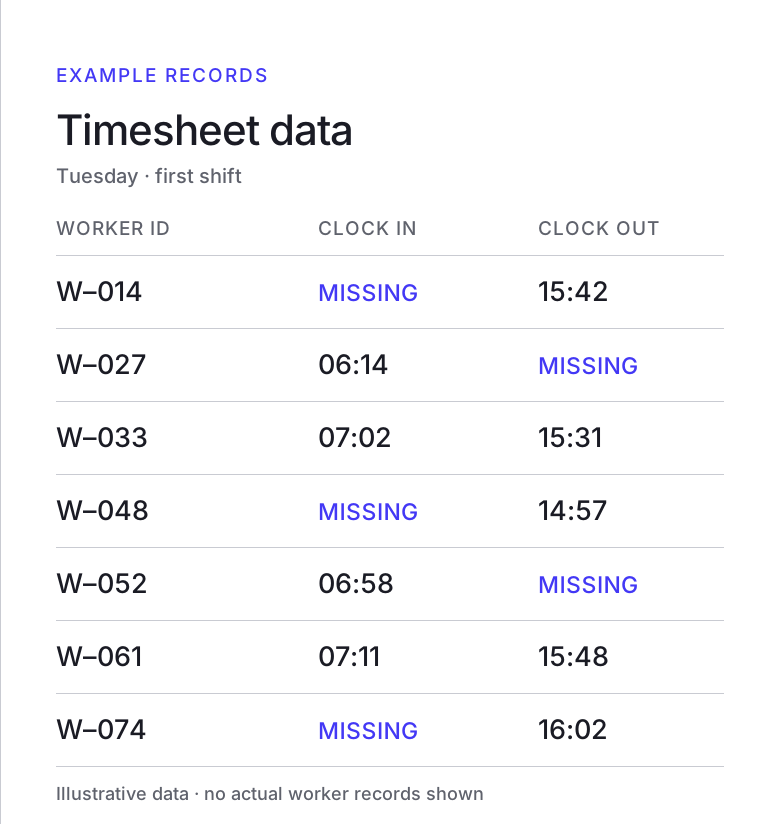
Illustrative timesheet records with several missing clock-ins and clock-outs

Pilot feedback changed the board's design.

Pilot research and feedback
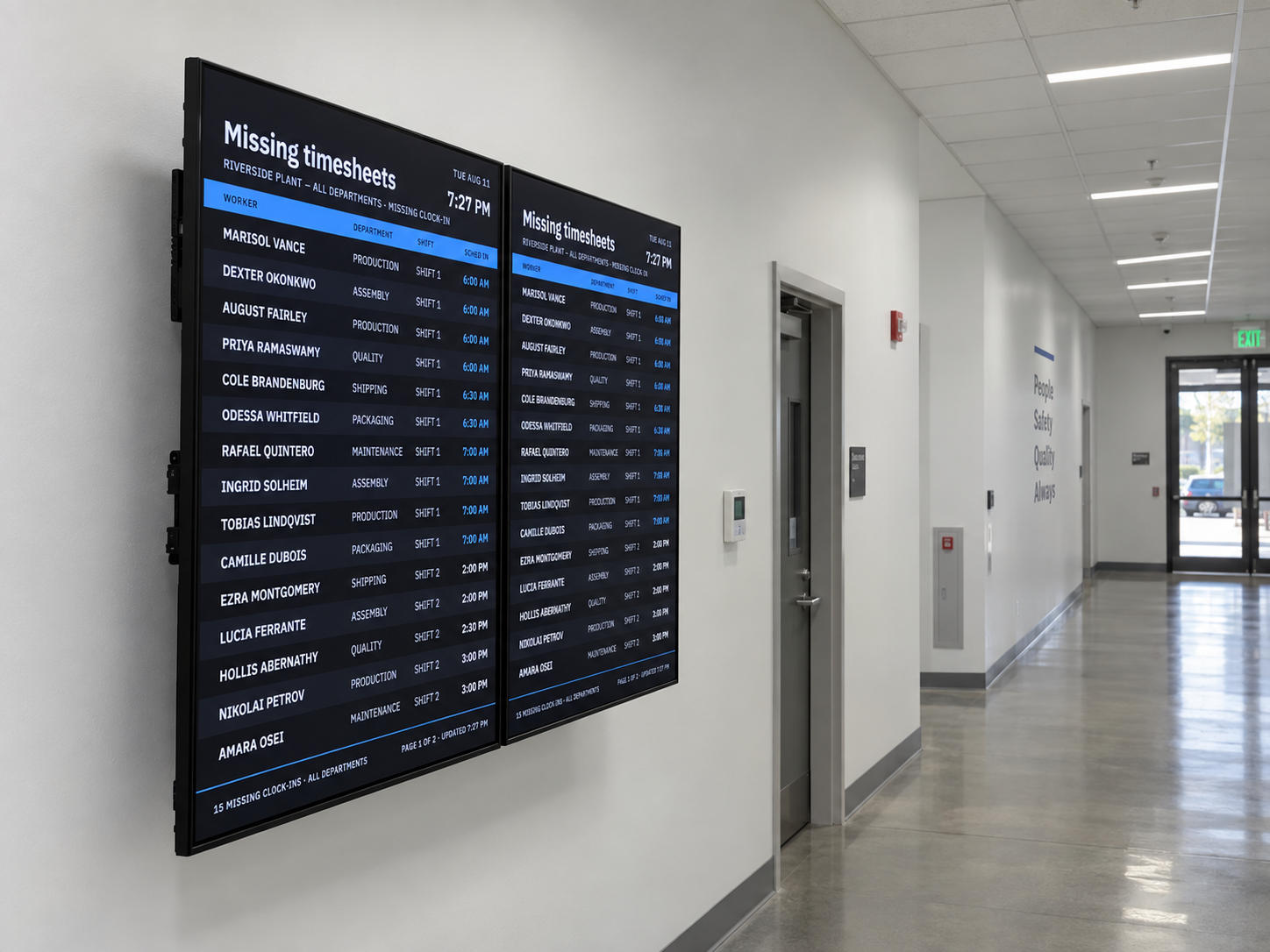
First missing-timesheet board installed in a worksite hallway
First board · observed on site
01

Inclusion

Early observations showed workers wanted to be included.

02

Identity

Sites had different privacy rules. I added worker ID and initials options.

03

At a glance

Workers saw it in passing. I reduced columns and tightened labels.

What I learned: visibility only helped when workers understood what to do.

Pilot validation · manual daily counts

About 10 of 17 missing clock-ins were fixed before shift end.

I counted open issues during and after shifts to check whether workers could act in time.

# of missing clock-ins
Week

Weekly averages per shift · pilot site

Scoping a phased approach

Tradeoff
PilotOne channel
MVPCMS, Device management and DS
Phase 2Scheduler

Why defer

Engineering effort put the MVP timeline at risk.

User cost

Screens could not switch programs by time or date.

Interim answer

Shift-aware filters kept content relevant.

Device management for operators

Device management
Set up

Name each device and its location

Deploy

Choose the default content

Monitor

See status and what is playing

Information architecture for grouping content

Decision 2 · CMS
Channel

One type of content

Bundle

Channels in a repeating playlist

Device

A screen that plays a bundle

Iteration to make configuration easier for admin

Channel configuration
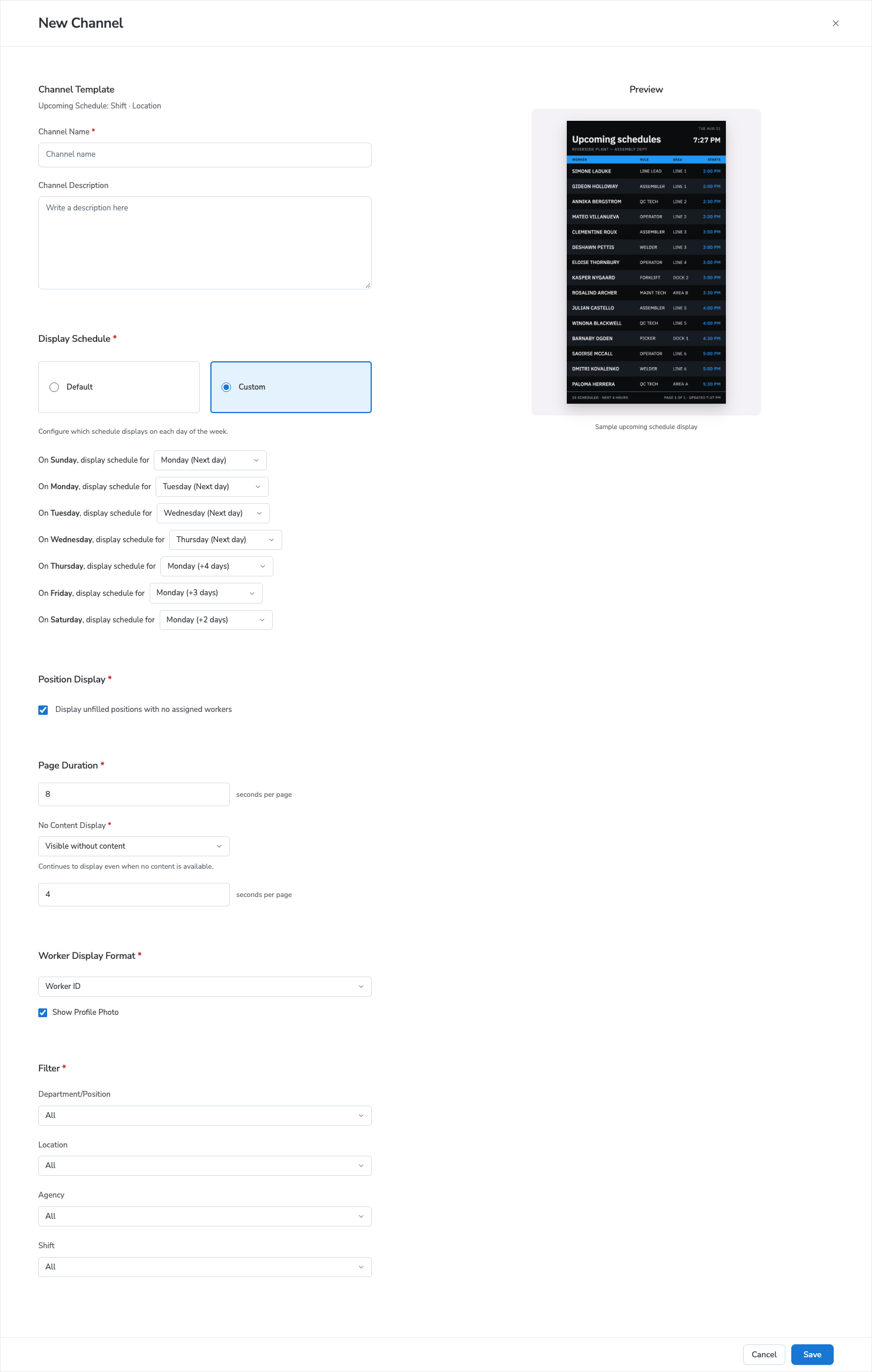
Before
First channel setup: one long form with settings continuing below the visible areaLong form hides settings
After
Redesigned channel setup with settings categories from General through Empty behaviorSettings by category

I advocated for a design system for reliable scalability.

Design system
01

Read at a distance

Type sized for a walk-by glance.

02

Flexible identity

Names, initials or IDs by site.

03

Consistent status labels

The same terms and colors for exceptions across channels.
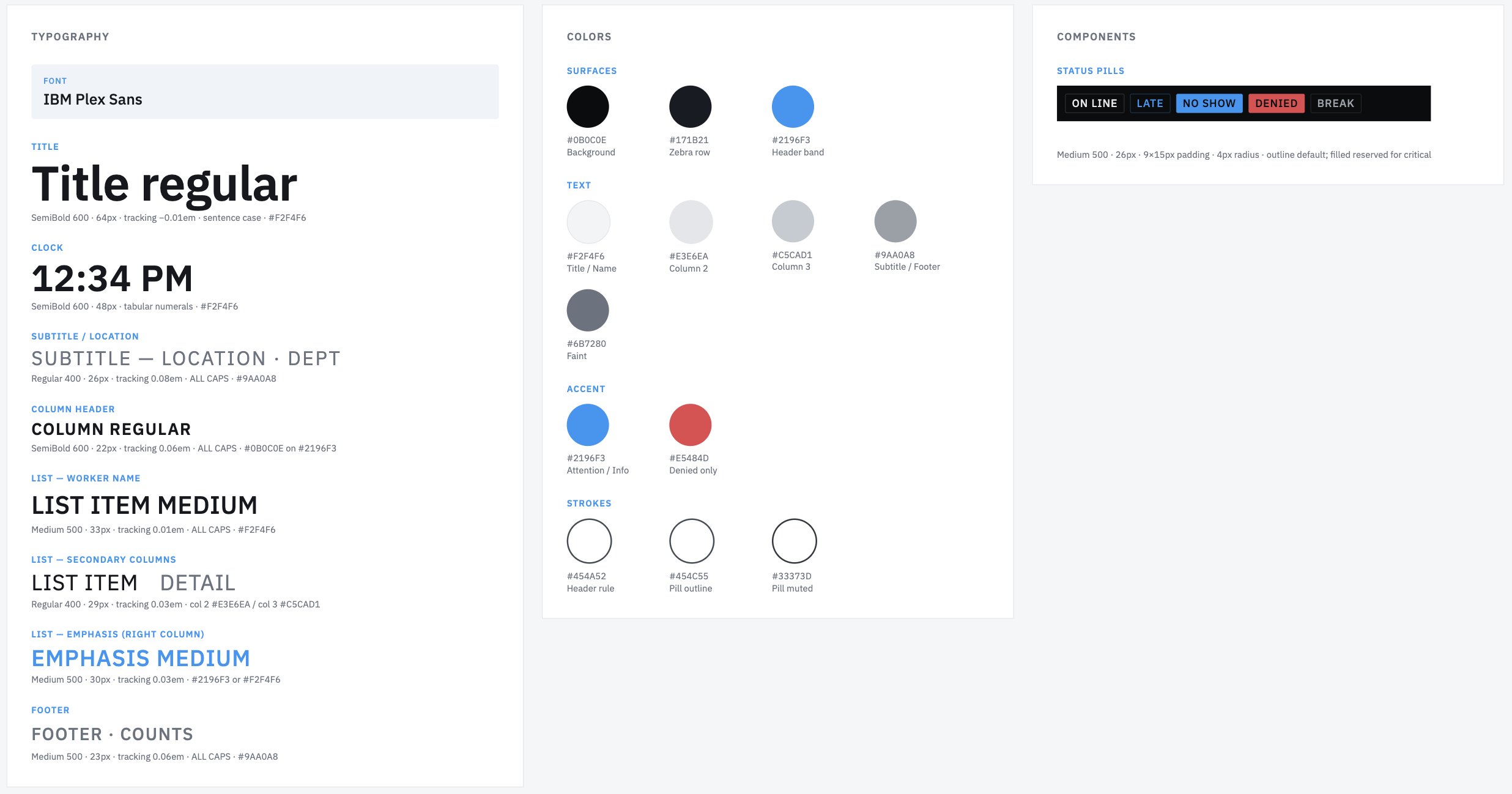
Display design system showing typography, colors and status components
Shared typography, color roles and status components

Expanding use cases

Across the worksite
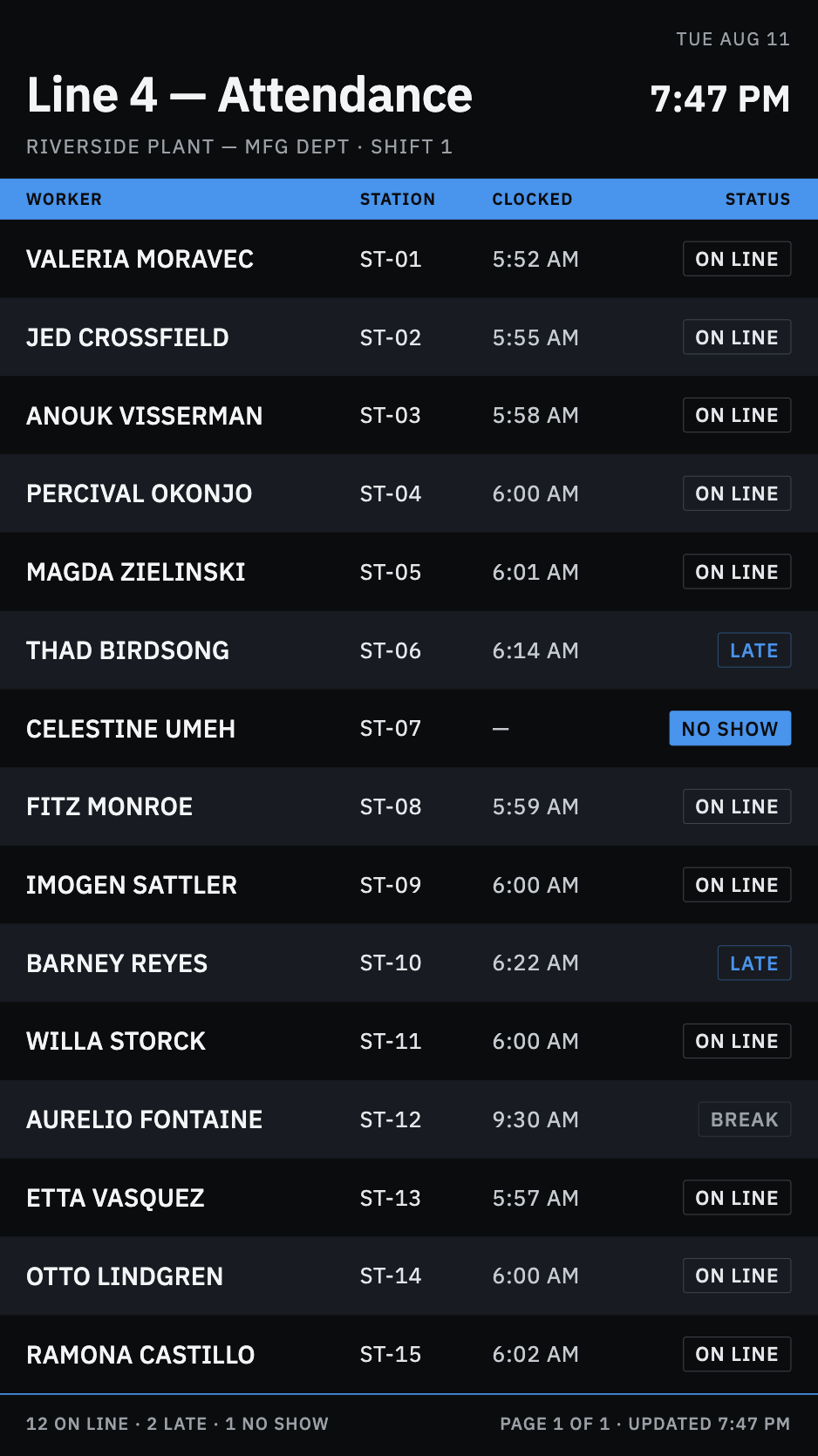
Line 4 Attendance display with worker stations and live attendance status
ShippedLine Attendance

Production lines · line leads

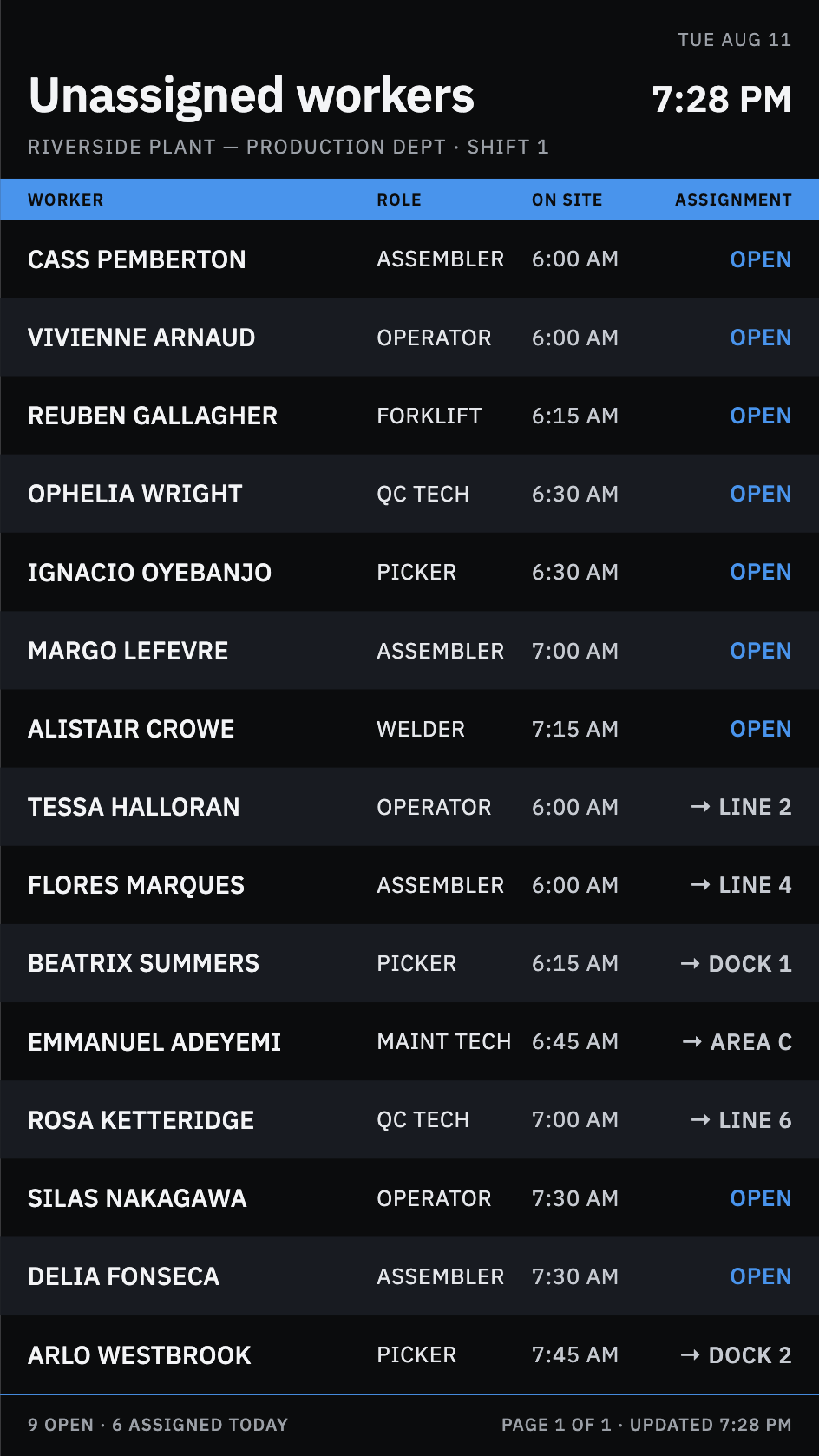
Unassigned workers display with open assignments and on-site times
ShippedUnassigned workers

Breakroom · staffing managers

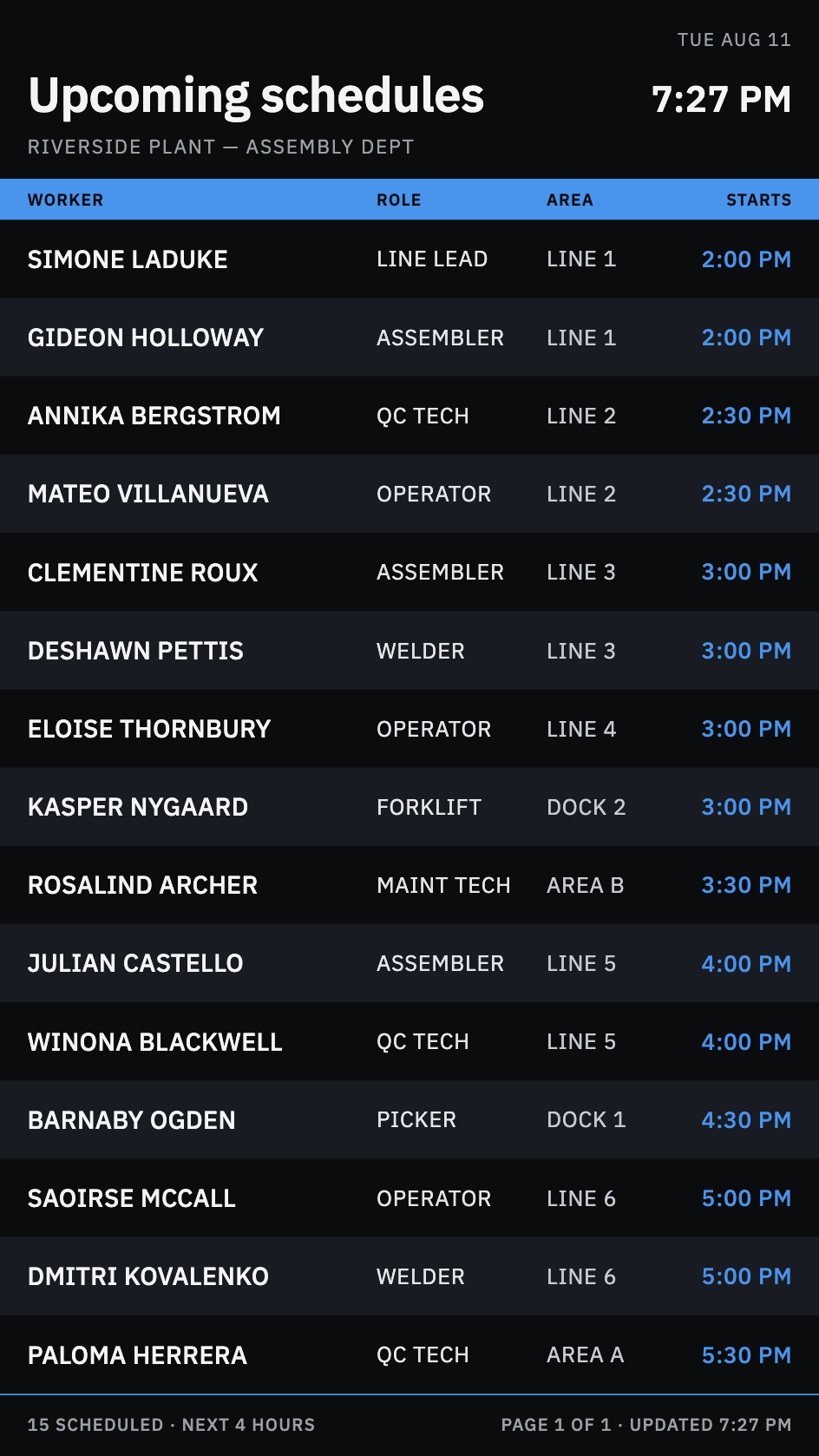
Upcoming schedules channel
ShippedUpcoming schedules

Common areas · the incoming shift

Introducing scheduling to the CMS

Phase 2 · Scheduler
Need

Different audiences across shifts

Repeats

Setup for recurring shifts

Fallback

A default bundle always plays

Reducing complexity by focusing on premade content

Scheduler · Iteration
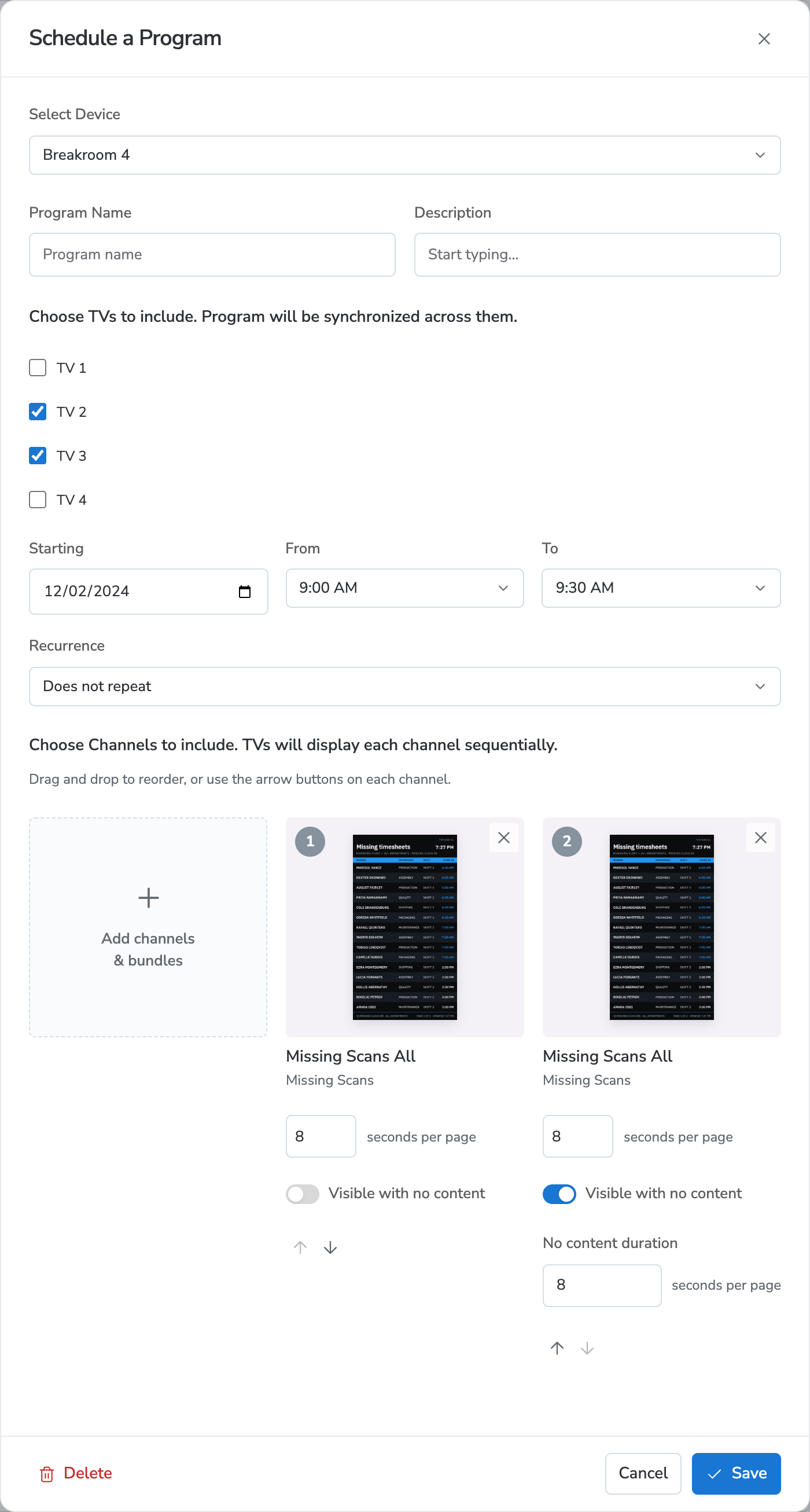
Before
Earlier scheduling form with channel tiles deep in the program setupChannels buried below
After
Redesigned scheduling form with a channel or bundle selector and target devicesPick content first

My manual site measurements · separate rollout periods

Teams resolved time and assignment issues sooner on site.

60%

of missing time resolved the same day

1 hr → 20 min

to assign unallocated workers

I tracked timekeeping and allocation after each channel went live.

Reported outcomes after launch.

Results · reported
4 hr → 1 hr

invoice cleanup per cycle

Less time reconstructing shifts

Agency managers and billing
4 sites

live at launch

Pilot to configurable rollout

Rollout record
Sales

a primary selling point in later deals

Part of the platform's value proposition

Reported by leadership

Reflection

Solve the source of the problem. Build for scale.

Look beyond the product

Airport displays inspired a way to reach people on site.

Prove in phases

One channel tested the idea before the CMS expanded.

Design for scale

Shared rules took longer upfront and sped up later channels.

Missing-timesheet display in the pilot hallway
Pilot display · the first channel